April 29 Day 1: Into The Windy Belly Of The Beast
3.12 miles, 911′ ascent, 643′ descent
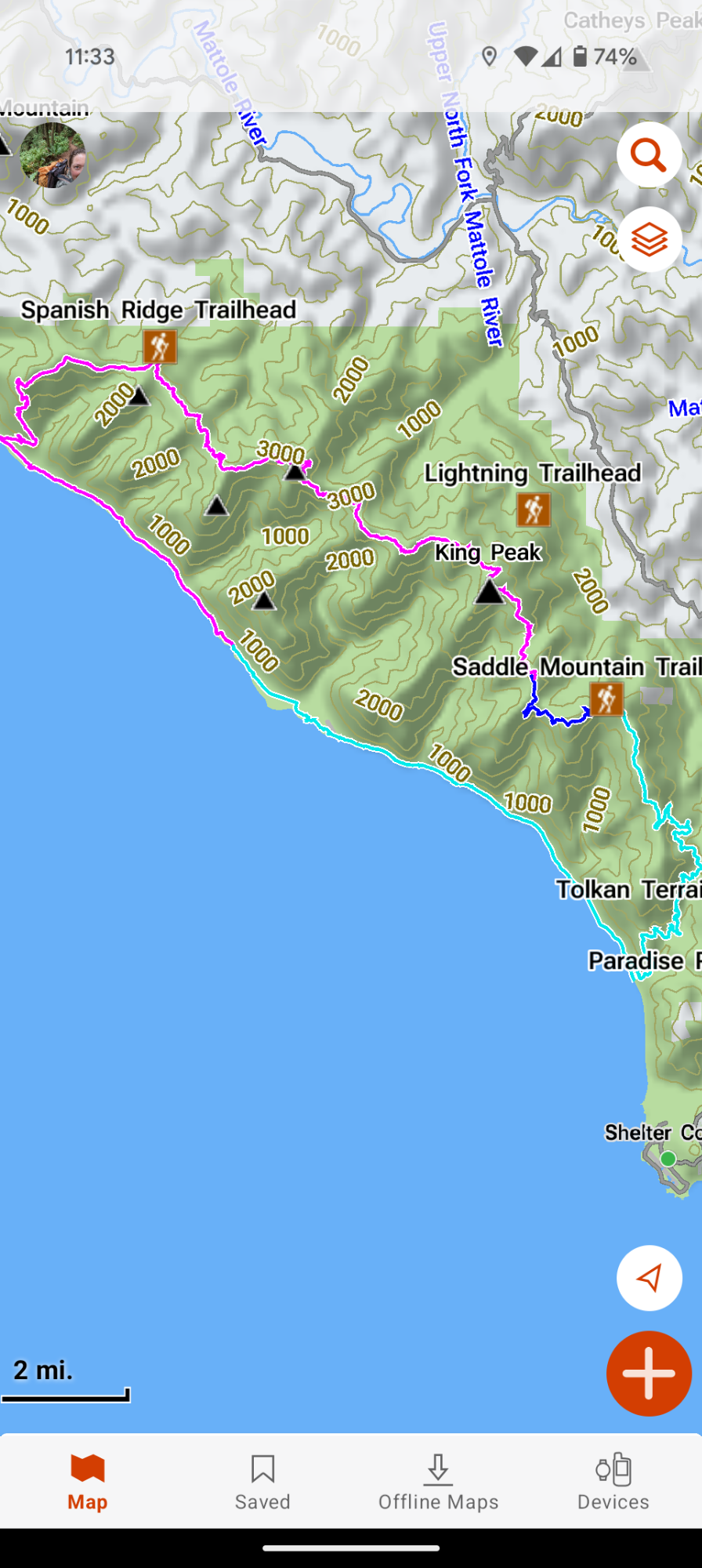
April 30 Day 2: The Romance Of King Peak And Spanish Ridge
23.56 miles, 3553′ ascent, 6666′ descent
May 1 Day 3: The Early Bird Gets The Lost Coast Serenity
18.71 miles, 3833′ ascent, 1080′ descent
King Range National Conservation Area
Unceded land of the Sinkyone, Cahto and Coast Yuki peoples
45.39 miles
8,297′ ascent
8,389′ descent
King Crest Lost Coast Loop Gear List






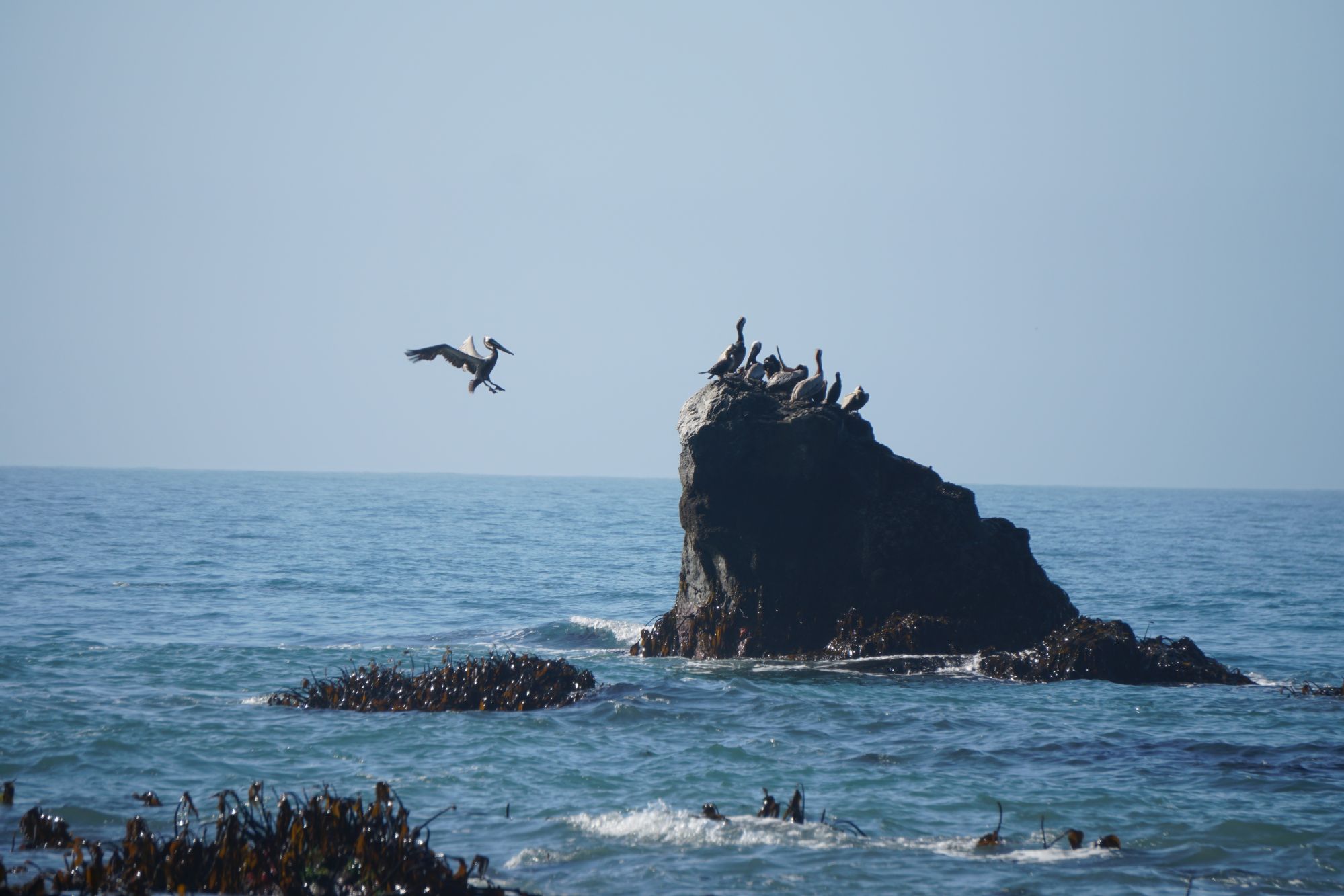


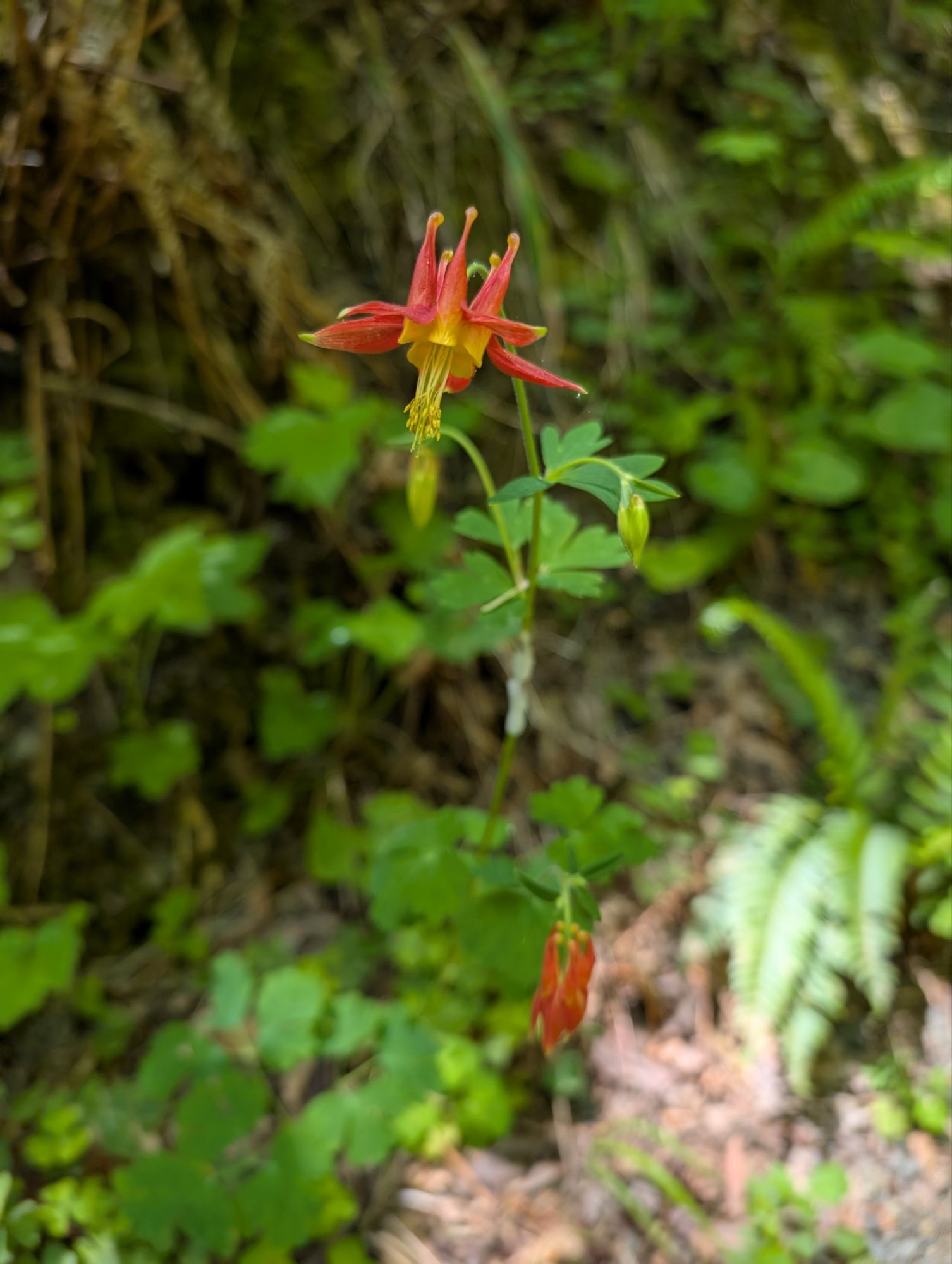
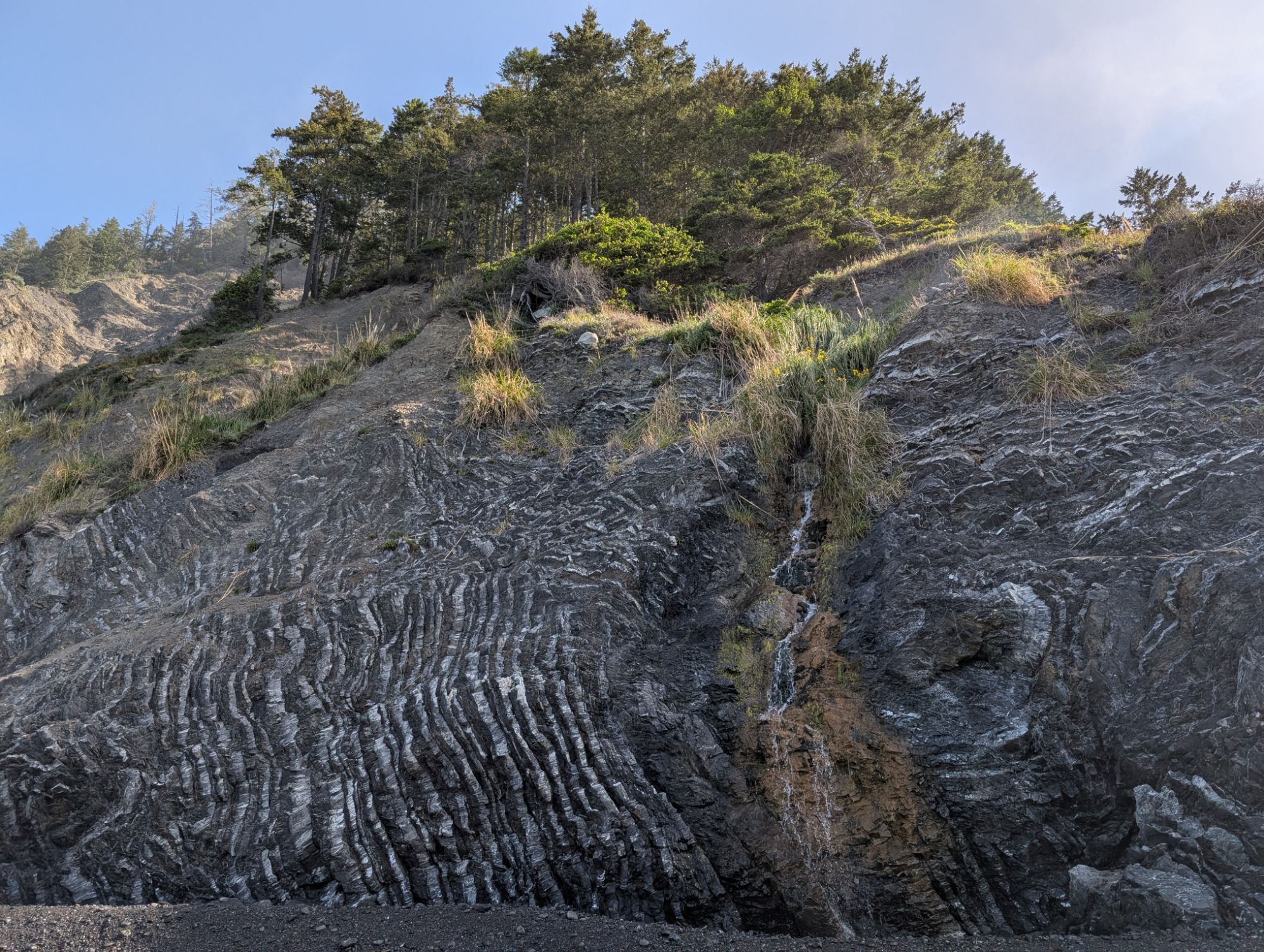
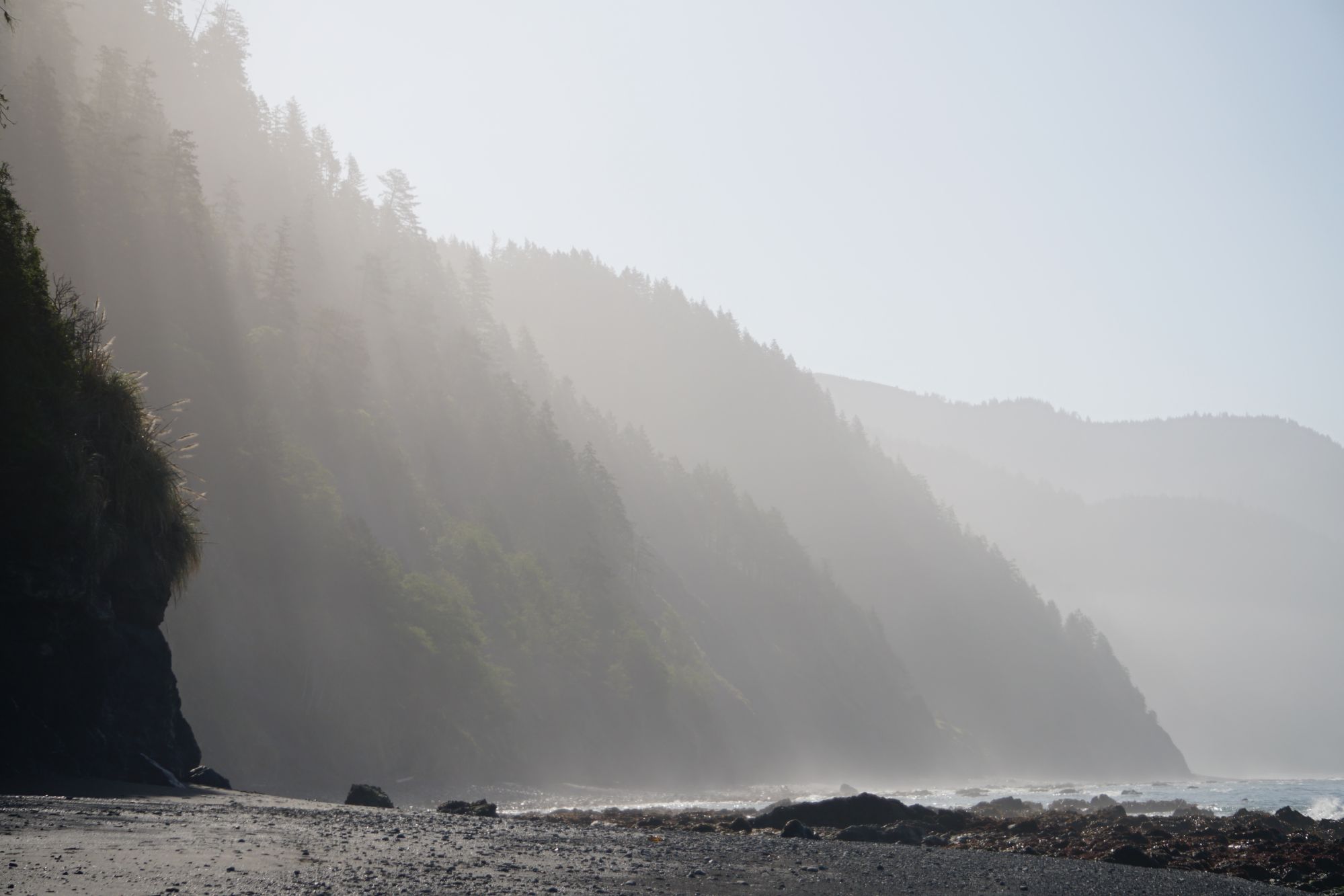
From the King Range BLM page:
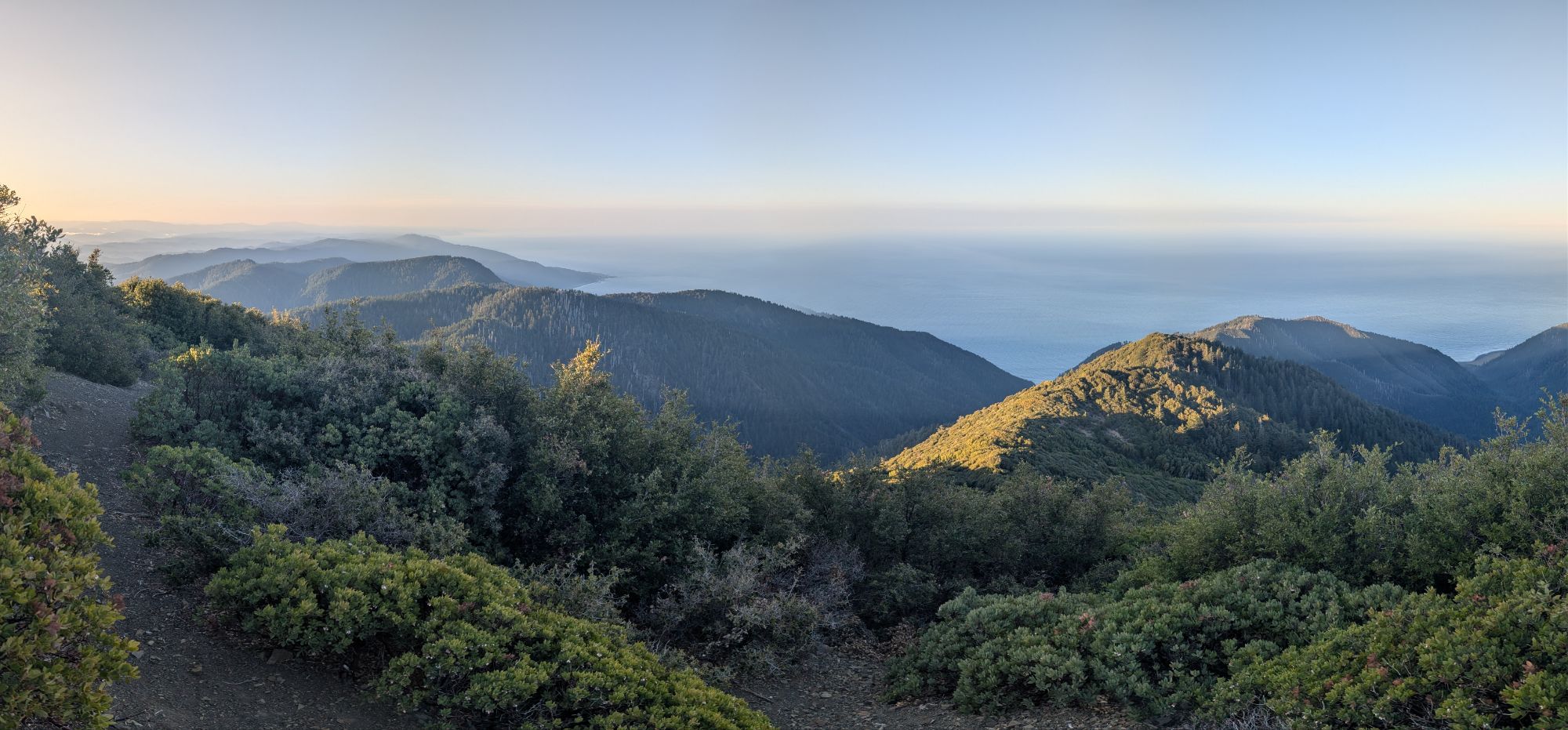
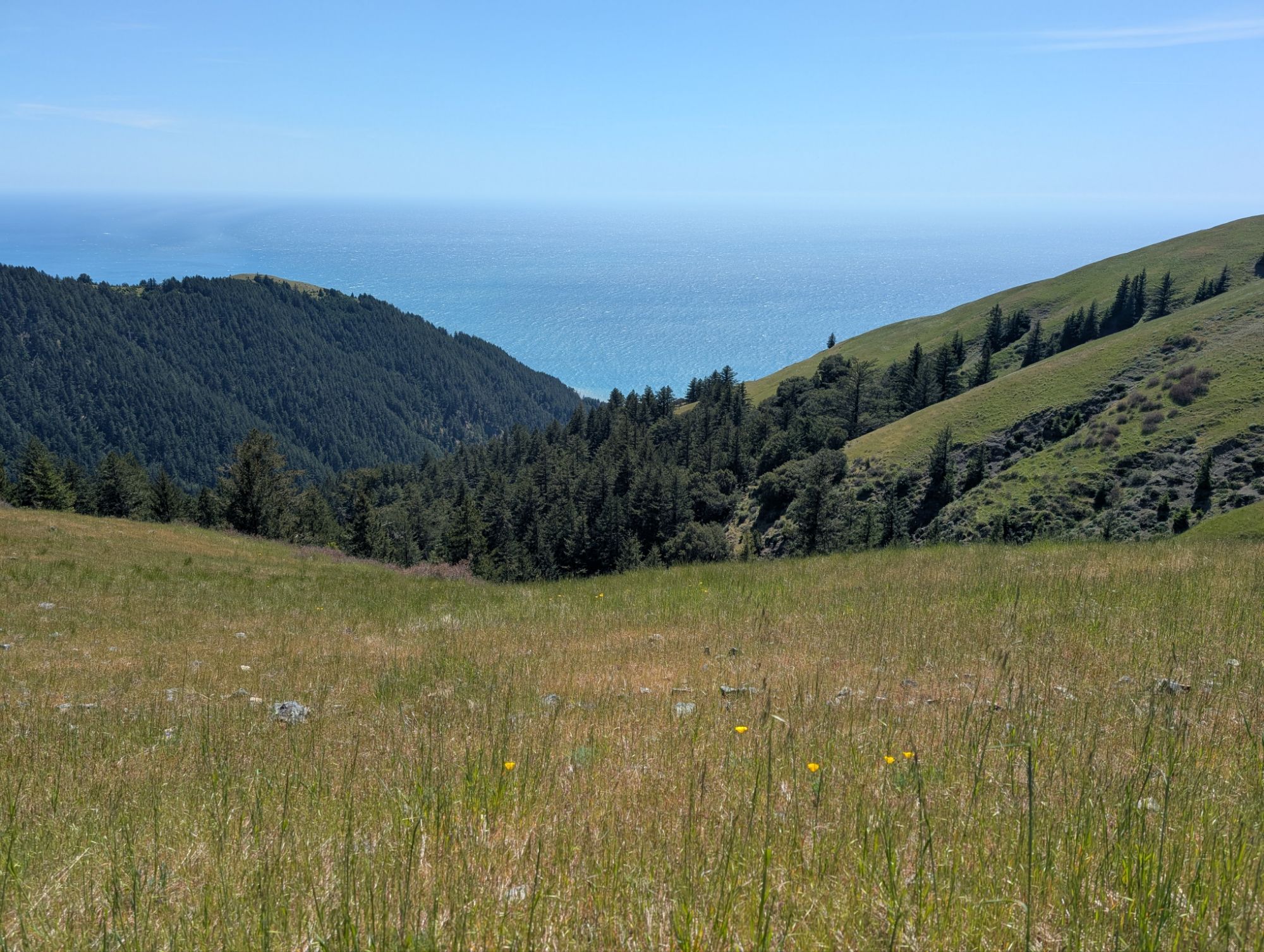
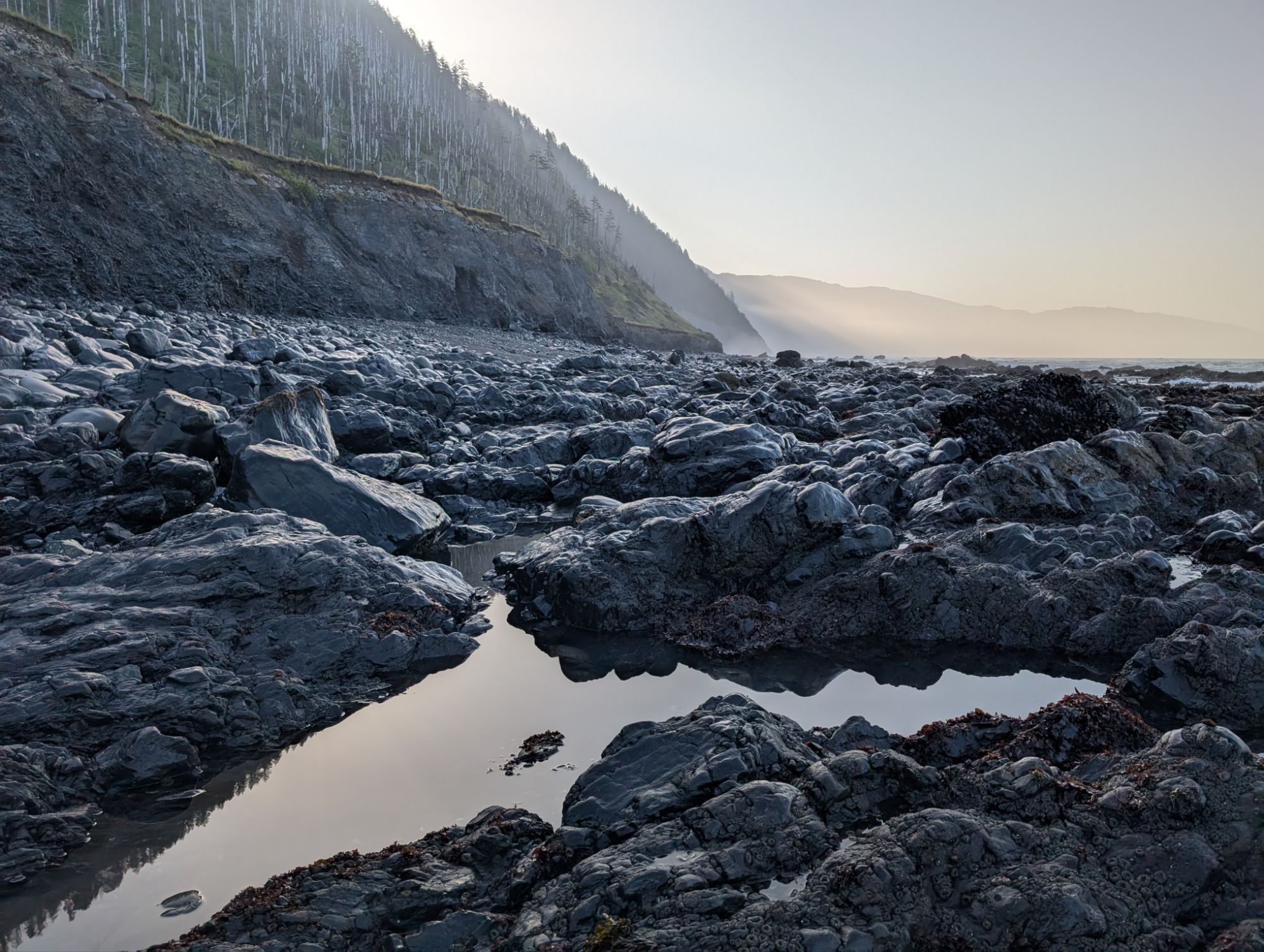
“The King Range National Conservation Area (NCA) is a spectacular meeting of land and sea as mountains thrust straight out of the surf with King Peak (4,088 feet) only three miles from the ocean. The King Range NCA encompasses 68,000 acres along 35 miles of California’s north coast. The landscape was too rugged for highway building, giving the remote region the title of California’s Lost Coast. It is the Nation’s first NCA, designated in 1970.”
From Save The Redwoods League:
“Lost Coast Redwoods is a place where the traditional territories of the Sinkyone, Cahto, and Coast Yuki peoples converge. These tribal nations lived respectfully and abundantly in this region for millennia before being forcibly removed by European American settlers. Despite this, they have retained cultural connections with this landscape, which holds great significance for Indigenous Peoples of the region. Today, Sinkyone, Cahto, and Coast Yuki descendants are citizens of tribal nations throughout Northern California.
In 1986, federally recognized tribes—whose citizens include Sinkyone, Coast Yuki, and Cahto descendants—created the nonprofit tribal consortium known as InterTribal Sinkyone Wilderness Council, the first-ever intertribal cultural land protection organization. Through the Sinkyone Council, its 10 member tribes collaborate to prohibit development, industrial logging, other harmful extractions, and fragmentation on lands they have acquired for conservation, while elevating traditional values, protecting and healing the ancient redwood ecosystem, and re-establishing cultural relationships with their traditional territories.”
 Journey Return